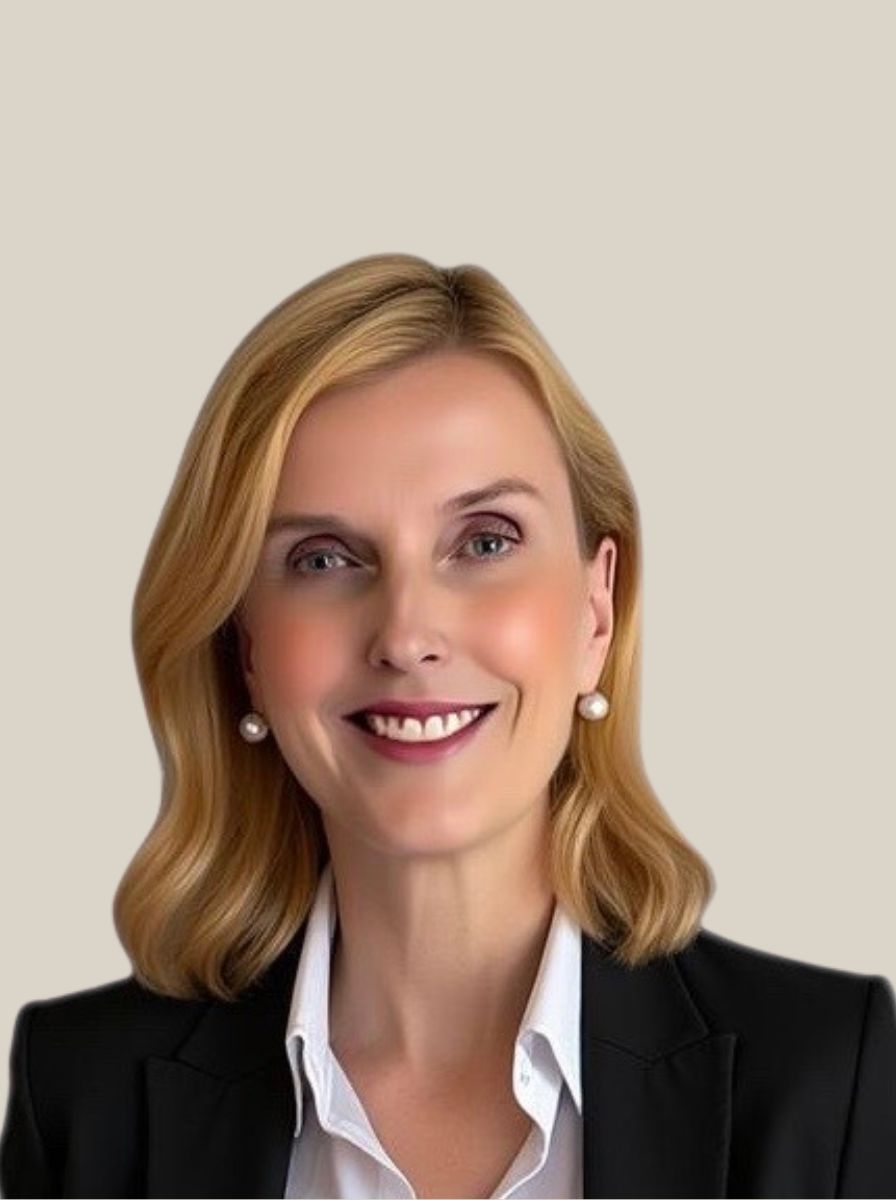
I am a licensed mental health counselor and EMDR Certified Therapist with more than eight years of experience helping adults work through trauma and complex trauma.
Christina has extensive experience working with complex trauma, dissociation, narcissistic abuse recovery, personality disorders, and clients with bipolar disorder or other complicated psychiatric histories. She evaluates carefully whether EMDR processing or an extended intensive format is appropriate for each client.
EMDR certification is an advanced professional credential requiring extensive training, consultation, supervision, continuing education, and clinical experience with clients from varied cultural backgrounds and with a wide range of psychological concerns. My certification reflects a sustained commitment to providing skilled, thoughtful, and individualized trauma treatment.
A Different Kind of Trauma Practice
Many of the people I work with are intellectually sophisticated and highly functional. They may be physicians, therapists, academics, attorneys, executives, graduate students, or creatives who are accustomed to understanding complicated things—including themselves.
Yet trauma can remain untouched by understanding alone.
That is exactly where EMDR becomes interesting.
Before becoming a therapist, I completed an undergraduate degree at Harvard and went on to complete a PhD in English Literature at the University of Chicago. I then taught English, psychoanalysis, gender and sexuality studies, and mental health studies at Emerson College for twelve years. This background informs the way I listen to the stories people tell about themselves and the meanings they have made from difficult experiences.
My practice is especially suited to high-functioning adults who may appear successful and capable while privately struggling with anxiety, shame, perfectionism, dissociation, grief, emotional overwhelm, relationship difficulties, or unresolved trauma. Many of my clients are professionals, academics, physicians, attorneys, therapists, executives, graduate students, and creatives who seek a high level of engagement, privacy, and clinical attention.
EMDR intensives provide more time for preparation, focused processing, grounding, and integration than a traditional 50-minute session. My approach is warm, direct, compassionate, and collaborative. I combine EMDR with parts work, nervous-system education, and practical regulation skills while respecting each client’s pace, privacy, intelligence, culture, and individual goals.
The aim is not simply to revisit painful experiences, but to help the past feel less immediate and less controlling, allowing for greater freedom, stability, clarity, and self-trust.